
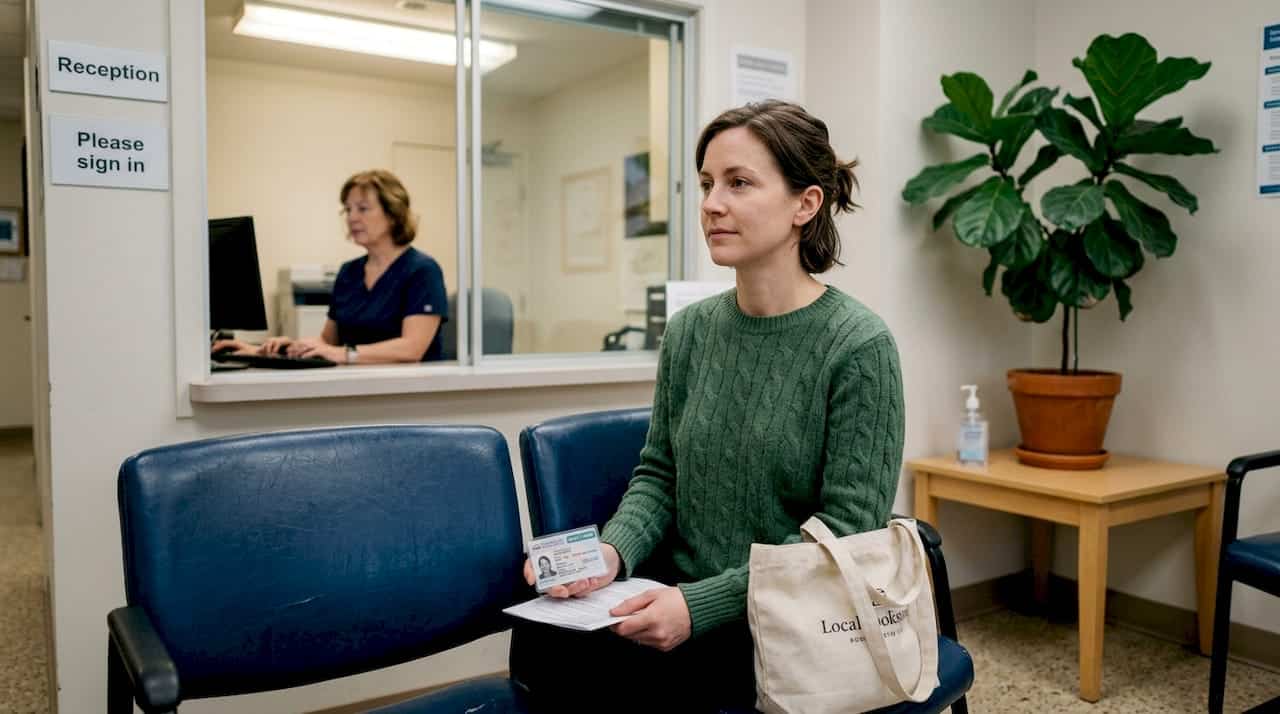
Many patients arrive at an imaging clinic unsure of what will happen, how long they’ll wait, or whether the experience will be uncomfortable. That confusion is completely understandable. Ontario ultrasound wait times average around 20 days, and once you’re finally booked, it can feel like the hardest part is over, but plenty of questions still remain. This guide walks you through every step of the imaging clinic experience, from understanding what services are available to what you’ll do when you walk through the door, so you arrive feeling prepared rather than anxious.
Table of Contents
- What services do imaging clinics provide?
- Booking your appointment: wait times, referrals, and access
- How to prepare for your imaging visit
- What happens during imaging and when you’ll get results
- Why knowing what to expect makes your visit smoother
- Ready for your imaging appointment?
- Frequently asked questions
Key Takeaways
| Point | Details |
|---|---|
| Wide range of services | Imaging clinics provide ultrasounds, X-rays, mammograms and more for many health needs. |
| Realistic wait times | Waits vary by test and location, but Ontarians can expect about 20 days for ultrasounds and shorter for X-rays or mammograms. |
| Comfort and support | Clinics use skilled technologists and calm environments to keep you comfortable during your appointment. |
| Step-by-step clarity | Knowing the process—from booking to results—minimizes stress and helps you prepare confidently. |
| Fast access with preparation | Booking early, knowing requirements, and asking questions can speed up your visit and improve results. |
What services do imaging clinics provide?
With these anxieties in mind, let’s clarify exactly what imaging clinics in Southern Ontario offer and why you might be referred.
Diagnostic imaging covers a wide range of tests that help your doctor see what’s happening inside your body without surgery. The most common services include:
- Ultrasound: Uses sound waves to produce images of soft tissues, organs, and blood vessels. Often ordered for abdominal pain, pregnancy monitoring, thyroid issues, or vascular concerns. You can learn more about ultrasound procedures in Ontario to understand which type applies to your situation.
- Digital X-ray: Uses a small amount of radiation to image bones and dense tissues. Common for fractures, lung conditions, and joint problems. If you’re deciding where to go, there’s helpful information available on choosing an X-ray clinic that can guide your decision.
- Mammography and OBSP mammography: Specialised breast imaging used for both screening and diagnostic purposes. OBSP (Ontario Breast Screening Programme) mammograms are specifically for eligible women aged 50 to 74.
- Fluoroscopy: A type of real-time X-ray imaging used to observe moving body structures, often during swallowing studies or joint injections.
- Bone density imaging (DEXA): Measures bone mineral density, typically to assess osteoporosis risk.
- Vein clinic ultrasound: Assesses veins for conditions like varicose veins or deep vein thrombosis.
Doctors refer patients for these tests when they need more information than a physical examination can provide. A family physician might order an abdominal ultrasound to investigate unexplained pain. An orthopaedic specialist might request X-rays to assess joint degeneration. An obstetrician will refer patients for obstetric ultrasounds throughout pregnancy.
Here’s a quick comparison of the most common imaging types:
| Imaging type | Typical duration | Comfort level | Preparation required |
|---|---|---|---|
| Ultrasound | 20 to 45 minutes | High | Sometimes (fasting or full bladder) |
| Digital X-ray | 5 to 15 minutes | High | Minimal |
| Mammography | 15 to 30 minutes | Moderate | Remove deodorant, avoid jewellery |
| Bone density (DEXA) | 10 to 20 minutes | Very high | Minimal |
| Fluoroscopy | 20 to 60 minutes | Moderate | Specific prep varies |
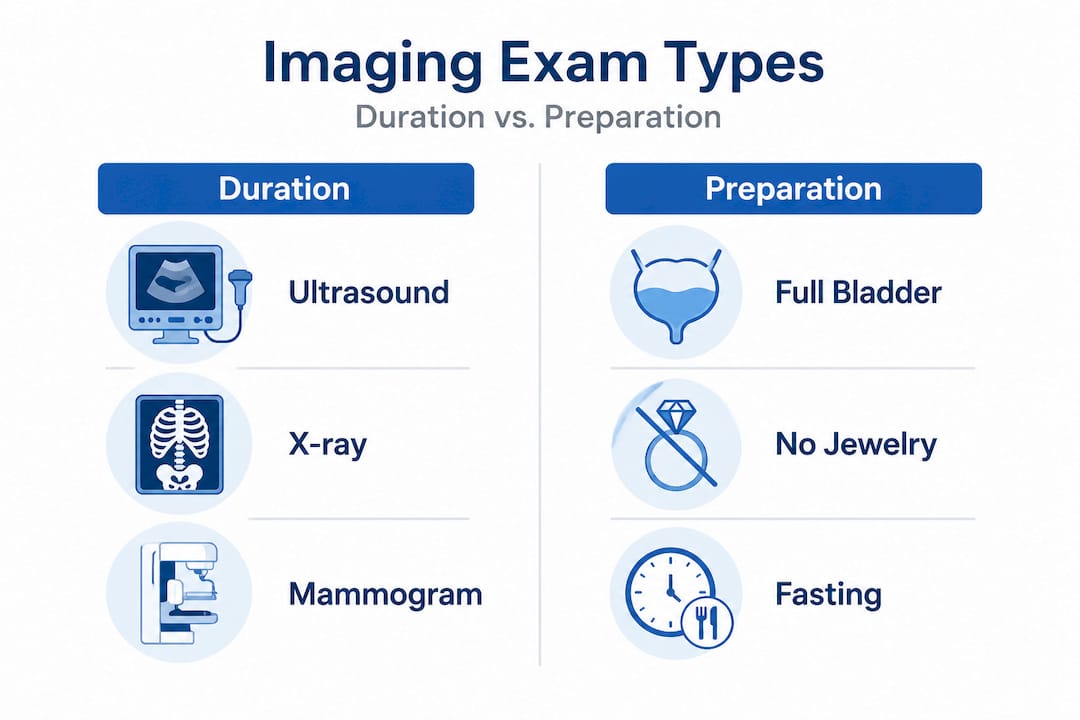
As CAR data shows, Ontario ultrasound wait times average around 20 days, which is why selecting a clinic known for efficiency matters. Understanding which test you’re having, and what it involves, is the first step to feeling at ease before you even arrive.
Booking your appointment: wait times, referrals, and access
Once you know what kind of imaging is needed, understanding how to schedule efficiently is key.
Most imaging services in Ontario require a doctor’s referral, also called a requisition. This is because OHIP coverage is tied to medically necessary tests ordered by a licensed healthcare provider. Once you have a requisition in hand, here’s how the booking process typically works:
- Obtain your requisition from your family doctor, specialist, or walk-in clinic.
- Contact the imaging clinic directly by phone or online. Many clinics, including Valence Medical Imaging, accept digital requisitions, which can speed up the process considerably.
- Provide your personal information including your health card number, contact details, and the type of exam being requested.
- Discuss availability and ask whether same-day appointments are offered for your exam type.
- Confirm any preparation requirements such as fasting instructions, special clothing, or whether you need a companion.
- Receive confirmation of your appointment time, location, and any pre-visit instructions.
Wait times vary depending on the type of imaging, the clinic’s location, and how busy the schedule is. There’s useful background on costs associated with ultrasounds if you’re wondering about fees for uninsured services. It’s also worth reviewing whether you need an ultrasound referral in Ontario before you book.
Here’s a general guide to what you might expect:
| Exam type | Typical wait time (Ontario) | Same-day availability |
|---|---|---|
| Ultrasound | 5 to 20 days | Select clinics |
| Digital X-ray | 1 to 5 days | Often yes |
| Mammography (screening) | 5 to 14 days | Select clinics |
| Bone density | 7 to 14 days | Occasionally |
| Fluoroscopy | 7 to 21 days | Rarely |
Research from the Canadian Association of Radiologists confirms that even when appointments are booked, in-clinic wait times can vary from 15 minutes to 1.5 hours depending on the facility and scheduling. Booking earlier in the day or mid-week often results in shorter in-clinic waits, since morning slots tend to run on schedule before the day’s delays accumulate.
If you’re looking for information specific to wait times for mammograms, Valence Medical Imaging provides current details for each of its locations.
Pro Tip: When you call to book, ask specifically whether your exam has same-day availability that week. Some clinics hold open slots for last-minute bookings, and you may be able to come in sooner than you think.
How to prepare for your imaging visit
Once you’ve scheduled, good preparation can make your visit more comfortable and efficient.
Preparation requirements differ by exam type, so it’s worth reviewing your specific instructions as soon as you receive them. However, there are general steps that apply to almost every imaging visit.
What to bring:
- Your health card (OHIP card)
- The original requisition from your doctor (if not already sent digitally)
- A list of current medications (relevant for some procedures)
- Any previous imaging results or reports from other facilities
- Comfortable, loose-fitting clothing where possible
What to avoid wearing or bringing:
- Jewellery, including earrings, necklaces, and rings
- Underwire bras (especially for chest or breast imaging)
- Metal-containing clothing like belts or jeans with metal hardware
- Strong perfumes or deodorant if you’re having a mammogram
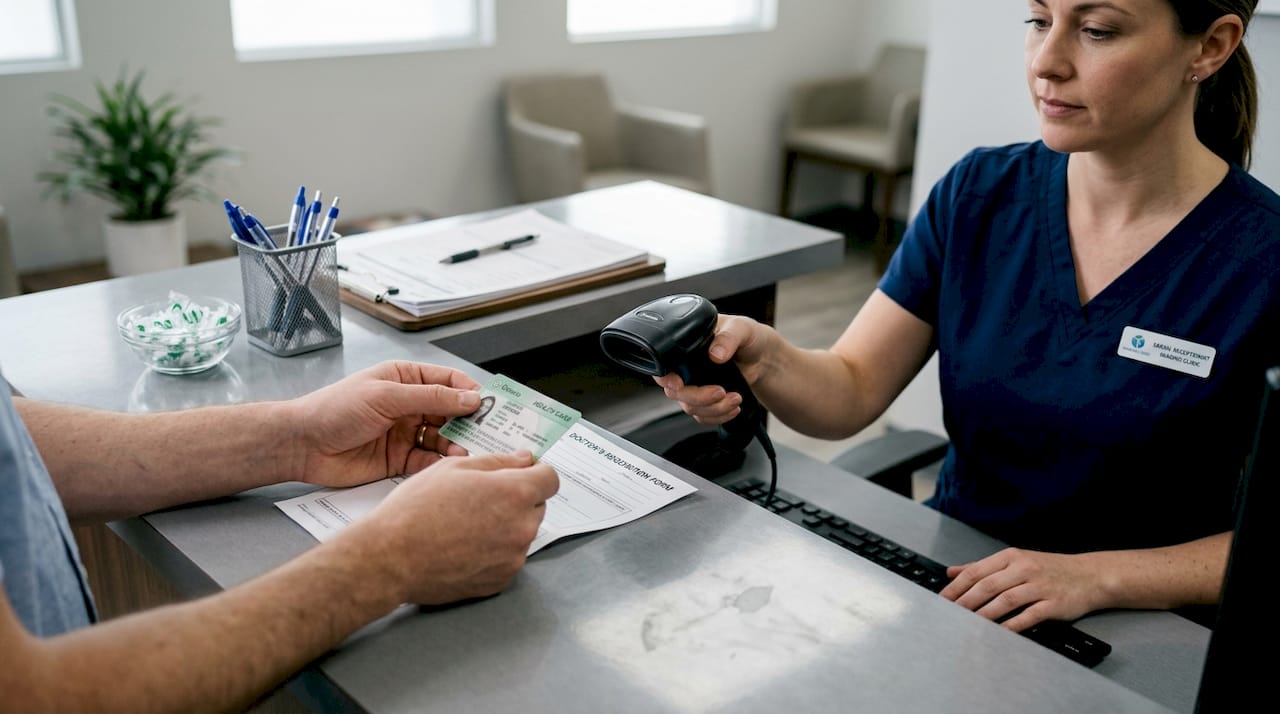
When you arrive, you’ll typically check in at a reception desk, present your health card and requisition, and fill out a short intake form. The waiting area at most clinics is designed to be calm and comfortable. You will not be kept in the dark. Staff will give you a rough idea of how long the wait will be, and your technologist will explain what they’re doing before and during the procedure.
For more specific guidance on whether you can eat or drink before your scan, there is helpful detail available on preparing for imaging procedures.
Feeling nervous is normal, particularly for a first scan. Professional technologists are trained to communicate clearly and support patients throughout the process, and staying comfortable during medical testing is something experienced healthcare teams actively prioritise. You are not expected to know everything. You are encouraged to ask questions.
Pro Tip: Before your appointment, write down two or three questions you want to ask your technologist. Common ones include “How long will this take?”, “Will this be uncomfortable?”, and “When should I expect results?” Asking upfront reduces anxiety during the scan itself.
The importance of patient comfort is well recognised across Ontario’s imaging community, and professional technologists are specifically trained to support patients through the process with clear communication and a reassuring presence.
What happens during imaging and when you’ll get results
With preparation complete, here’s what to expect on the day of your scan and right afterwards.
Understanding the sequence of events during your appointment takes away a lot of the uncertainty. Here’s a step-by-step overview:
- Check-in: You’ll present your health card and requisition at reception. If your forms aren’t already filled in, you’ll complete them at this stage.
- Pre-scan briefing: Your technologist will introduce themselves, confirm the exam being performed, and explain what they’re going to do before any equipment is used. They’ll answer your questions here.
- Changing (if required): Some exams require you to change into a gown. A private change room is standard at most facilities.
- Positioning: The technologist will guide you into the correct position. For ultrasounds, you’ll lie on a table. For X-rays, you may stand or sit. For mammography, you’ll stand at the machine.
- The scan: Depending on the exam, this can take anywhere from five minutes for a simple X-ray to 45 minutes for a detailed ultrasound. You will be asked to hold still and may be given brief breath-hold instructions.
- Post-scan: The technologist will let you know when the imaging is complete, help you get comfortable again, and explain the next steps for your results.
- Results delivery: A radiologist will review your images and produce a written report, which is sent directly to your referring doctor.
“Variable in-clinic wait times of 15 minutes to 1.5 hours have been observed even with booked appointments, underscoring the importance of choosing a clinic with strong scheduling practices and a clear commitment to patient communication.” — CAR Impact of Delayed Diagnostics Report
Results timelines vary by clinic and urgency. At Valence Medical Imaging, fast report turnaround is a priority, with many results delivered within 24 to 48 hours. Your referring doctor receives the report directly, so it’s important to schedule a follow-up with them once you know the results are ready.
If you’re ready to move forward, you can book your appointment online at your convenience. Having your requisition ready when you book speeds up the process significantly.
Why knowing what to expect makes your visit smoother
Most patient anxiety around imaging appointments does not come from pain. It comes from not knowing what’s going to happen. The scan itself is usually quiet, brief, and entirely painless for the majority of exam types. What creates discomfort is the gap between expectation and reality, and that gap is almost always closed with information.
Ontario imaging clinics have invested significantly in patient-facing communication over the past decade. Booking confirmations now routinely include preparation instructions. Clinic websites explain exam processes in plain language. Technologists receive training not just in operating equipment, but in communicating with patients who are nervous, confused, or worried about what their results might show.
What we’ve observed over 35 years of serving patients across Southern Ontario is this: the patients who ask the most questions tend to have the best experiences. Not because their scans go differently, but because they arrive understanding the process, engage with their technologist, and leave knowing what comes next. That clarity is not a luxury. It’s part of the care.
There is also something worth saying about real patient feedback. Patient reviews consistently highlight two things as most important: how well staff communicated, and how quickly they received their results. Neither of those factors depends solely on equipment quality or clinic size. They depend on culture, on a team that treats every patient as a person rather than a booking number.
If you arrive knowing what to bring, what the technologist will do, and when to expect your results, the appointment itself becomes much simpler. The hard work is done before you walk through the door.
Ready for your imaging appointment?
Now that you know what to expect, finding the right clinic and booking with confidence is the logical next step. At Valence Medical Imaging, we make that process straightforward. With seven locations across Southern Ontario, including Toronto, Scarborough, Brampton, Bramalea, Niagara Falls, and Whitby, we offer short wait times, fast report turnaround, and same-day availability for select services. Whether you’re looking for an Ontario ultrasound clinic or an Ontario mammogram clinic, our team is ready to support you from booking to results. Visit us online to book your imaging appointment and take the next step in your care with confidence.
Frequently asked questions
How long will my imaging clinic appointment take?
Most imaging appointments range from 15 minutes to 1.5 hours depending on the type of exam and the clinic’s scheduling efficiency, as confirmed by CAR research. Simple X-rays are typically completed in under 15 minutes, while detailed ultrasounds can take up to 45 minutes or longer.
When will I get my imaging results?
Results are sent directly to your referring doctor, usually within a few days. Clinics that prioritise fast turnaround, like Valence Medical Imaging, often deliver reports within 24 to 48 hours.
Do I need to prepare or fast before an imaging scan?
Preparation requirements vary by exam type. Some ultrasounds require fasting or a full bladder, while X-rays and bone density scans typically need little to no preparation. Your clinic will provide specific instructions when you book.
Can I request a specific technologist or clinic for my comfort?
You can request your preferred clinic location when booking, and some facilities will accommodate requests for a specific technologist where scheduling allows. It’s always worth asking when you call.
Is an imaging clinic visit covered under OHIP in Ontario?
Most standard imaging exams, including X-rays and ultrasounds, are covered by OHIP when ordered by a licensed healthcare provider. Non-insured services, such as some private ultrasounds, may carry an out-of-pocket fee.
Recommended
- What Should I Expect During My X-Ray Appointment? A Patient’s Guide – Valence Medical Imaging
- How Do I Choose the Best X-Ray Clinic? Your Guide to Top Radiology Services – Valence Medical Imaging
- The Ultimate Checklist for Your Toronto Ultrasound Appointment – Valence Medical Imaging
- How Should I Prepare for an X-Ray? Tips for a Smooth Imaging Experience – Valence Medical Imaging
- Guía completa para la mejor imagen 3D de tu bebé