
We hear the same concerns again and again from patients in Brampton and Bramalea. Someone books an OBSP mammogram appointment, then hesitates after reading something online or hearing a story from a friend. In our experience, most of that hesitation comes from myths, not facts. Let’s clear things up with real OBSP screening facts, plain language, and what we actually see every day in clinic.
This guide breaks down the most common OBSP myths, explains the truth vs myth gap, and helps you feel confident about mammogram screening in Ontario.
OBSP myths explained: what Ontario women really need to know
One of the biggest Ontario mammogram misconceptions is that screening is only for people with symptoms. We’ve seen many women delay booking because they “feel fine.” Screening is meant for people who feel normal. That’s how early detection works. Waiting for pain or a lump often means waiting too long.
Another common belief is that OBSP screening eligibility is confusing or restrictive. In reality, the program is very clear and accessible when you know the basics.
OBSP truth vs myth: separating facts from fiction about breast screening
Myth: OBSP mammograms are painful
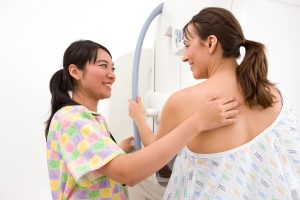
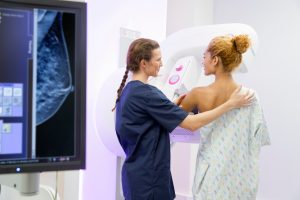
Truth: Most patients tell us it’s uncomfortable for a few seconds, not painful. Compression is brief and controlled. Many are surprised by how quick it is. One patient recently told us she spent more time worrying in the parking lot than in the exam room.
Myth: Mammograms expose you to dangerous radiation
Truth: The radiation dose is very low. It’s similar to what you’re exposed to naturally over a short period of time. The benefit of early detection far outweighs the risk.
Myth: If there’s no family history, screening isn’t needed
Truth: Most people diagnosed with breast cancer do not have a family history. Screening is based on age and risk factors, not just genetics.
Ontario mammogram misconceptions that stop women from getting screened
We often meet patients who believe mammograms cause cancer, spread cancer, or damage breast tissue. These claims are not supported by evidence. Mammograms do not cause cancer. They do not make cancer spread. They are one of the most studied screening tools in healthcare.
Another misconception is that screening leads to unnecessary panic. In reality, OBSP mammogram information is designed to be clear and step-by-step. If something needs a closer look, it doesn’t mean cancer. It often means additional imaging for clarity.
Breast exam facts vs myths: understanding OBSP screening guidelines
Here’s what the Ontario Breast Screening Program actually recommends:
• People aged 40 to 74 can receive routine screening every two years, covered by OHIP
• People aged 30 to 69 at high risk may qualify for annual screening with a referral from their doctor
We’ve helped many first-time patients who assumed they were “too young” or “not eligible.” Once they understood the guidelines, the process felt much less intimidating.
Is OBSP screening painful, unsafe, or unnecessary? Let’s clear it up
We’ve personally seen how reassurance changes the experience. Patients who arrive nervous often leave saying, “That wasn’t nearly as bad as I expected.” The exam is quick. The staff explains every step. You’re never rushed.
Screening is not unnecessary. It saves lives by finding changes early, before symptoms appear. That’s why mammogram screening in Ontario is so strongly recommended.
Top OBSP myths that create fear and the facts that matter
• Myth: You need a doctor’s referral for every screening
• Fact: Many routine OBSP screenings do not require a referral
• Myth: Results take forever
• Fact: Most patients receive results within a reasonable timeframe, often sooner than expected
• Myth: A callback means cancer
• Fact: Callbacks are common and usually mean clearer images are needed
OBSP screening facts: what’s true, what’s false, and why it matters
We’ve seen real-world outcomes improve when patients understand OBSP screening facts. One patient delayed screening for years due to fear. When she finally came in, a very small abnormality was found early and treated successfully. Early detection changed everything for her.
That’s why accurate Ontario breast screening program facts matter. Fear thrives in uncertainty. Facts bring clarity.
Debunking breast screening myths in Ontario: a patient-friendly guide
If you’re unsure, here’s a simple checklist before booking:
• You do not need symptoms to be screened
• Screening is quick and low risk
• Most results are normal
• Follow-ups are precautionary, not diagnoses
Knowing this ahead of time makes the experience far less stressful.
OBSP screening explained: common myths that could delay early detection
At Valence Medical Imaging, we’ve learned that education is just as important as technology. When people understand OBSP truth vs myth, they’re more likely to book, show up, and stay consistent with screening.
If you’re eligible and due for screening, don’t let outdated myths decide for you. Accurate OBSP mammogram information leads to confident decisions and better health outcomes.
If you have questions about OBSP screening eligibility or want to book a mammogram screening in Ontario, reach out to our team. We’re always happy to walk you through what to expect and help you take the next step with confidence.
More Information:
Ontario Breast Screening Program (OBSP) | Cancer Care Ontario