
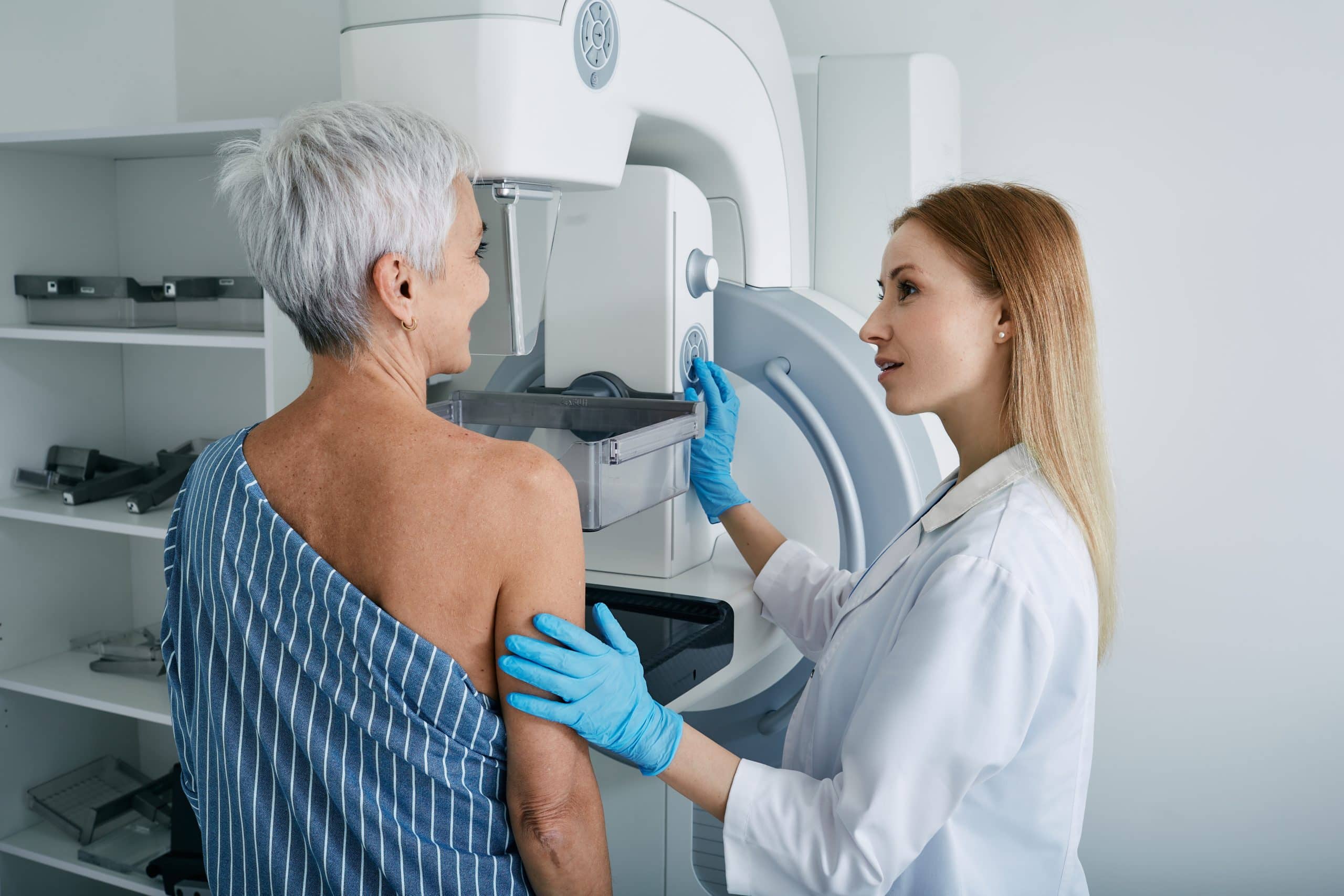
If you’re booking your first mammogram through the Ontario Breast Screening Program, it’s normal to wonder what technology is actually being used. We hear this question every week from patients who call us asking whether OBSP uses 3D mammography or traditional imaging. The short answer is yes, both are used, and which one you receive depends on a few important factors.
At Valence Medical Imaging, we walk patients through this decision every day. Here’s what we’ve learned from years of OBSP screening experience across Brampton and Bramalea.
OBSP Technology Explained: 3D Mammography vs Traditional 2D Imaging
OBSP technology has evolved a lot over the past decade. Most people picture mammograms as a single flat image, but modern Ontario breast imaging services use digital systems that are far more detailed.
Traditional 2D mammography takes two images of each breast, one from the top and one from the side. These images are very effective for routine screening and are still widely used across OBSP clinics.
3D mammography, also called digital breast tomosynthesis, takes multiple thin images of the breast from different angles. A computer then builds these images into a layered, three-dimensional view. This helps radiologists see through overlapping tissue more clearly.
Does OBSP Offer Digital Breast Tomosynthesis (3D Mammograms)?
Yes, OBSP does use 3D mammography at many Ontario clinics. In our experience, OBSP breast screening technology has steadily shifted toward 3D imaging, especially for patients who benefit from extra clarity.
That said, OBSP does not guarantee 3D mammography for every screening. The imaging type is based on clinical guidelines, patient history, and what the radiologist believes will provide the most accurate result.
We’ve seen this play out firsthand. One of our long-term patients had years of normal 2D screenings. When her breast density changed slightly, her next OBSP mammogram used 3D imaging to get a clearer view. Nothing abnormal was found, but the added detail gave both the patient and the radiologist extra confidence.
OBSP 3D vs 2D Mammograms: What’s the Difference and Which Is Used?
From a patient perspective, the experience feels very similar. The positioning is the same. The compression time is about the same. The difference is what happens behind the scenes.
Here’s how OBSP 2D mammogram and OBSP 3D mammography compare in everyday terms:
- 2D imaging captures flat digital images and works well for many women.
- 3D imaging captures multiple layers and can reduce false alarms.
- 3D mammography may improve cancer detection in dense breast tissue.
- Both options are reviewed by specialized breast radiologists.
Comfort is another common concern. We’re often asked if 3D mammograms hurt more. In our experience, patients report no meaningful difference in discomfort between the two.
Is 3D Mammography Covered by OBSP?
This is one of the most important questions we get. If your OBSP screening is approved and medically appropriate, the imaging used is covered under Ontario’s public health system through Ontario Health Insurance Plan.
Patients do not pay out of pocket for OBSP technology choices when they meet eligibility requirements. If 3D mammography Ontario OBSP guidelines indicate it’s the right option for you, coverage is included.
Types of Breast Imaging Used by OBSP Clinics Across Ontario
OBSP mammogram imaging types continue to expand as technology improves. Today, most Ontario clinics use:
- Digital 2D mammography
- Digital breast tomosynthesis (3D mammography)
- Additional diagnostic imaging if follow-up is required
At Valence Medical Imaging, we work closely with OBSP guidelines to ensure each patient receives the imaging method that best supports early detection and peace of mind.
Mammogram Technology in Ontario: How OBSP Screening Has Evolved
When OBSP first launched, film-based mammograms were the standard. Now, mammogram technology Ontario clinics use is fully digital and far more precise.
We’ve personally seen recall rates drop as 3D mammography becomes more common. Fewer call-backs mean less stress for patients and clearer answers sooner. That’s a big win for everyone involved in breast screening.
Who Can Get a Mammogram Through OBSP?
OBSP eligibility is clear and designed to catch breast cancer early.
- People aged 40 to 74 are eligible for routine screening every two years, covered by OHIP.
- People aged 30 to 69 who are considered high risk may qualify for annual screening and should speak with their doctor.
If you’re unsure where you fall, our team helps patients navigate eligibility every day.
Choosing the Right OBSP Imaging Method: What Patients Should Do Next
You don’t need to decide between 2D and 3D on your own. OBSP breast screening technology decisions are made by trained professionals using evidence-based guidelines.
What you can do is:
- Book your OBSP mammogram in Ontario at a trusted clinic.
- Share your personal and family history honestly.
- Ask questions if you’re unsure what imaging is being used and why.
In our experience, informed patients feel calmer, more confident, and more satisfied with their screening experience. If you’re ready to book an OBSP mammogram or want help understanding your imaging options, Valence Medical Imaging is here to guide you every step of the way.
More Information:
Ontario Breast Screening Program (OBSP) | Cancer Care Ontario